Conoce el arte prerrománico español, un período que abarcó el espacio de tiempo comprendido entre los siglos V y XI; momento que sirvió para unificar la influencias artísticas del arte propio de diversas civilizaciones como la romana, bávara y paleocristiana. Descubre todo lo que debe saber de los masajes eróticos en barcelona y más.
¿Qué es arte prerrománico?
Es la época en que tuvo lugar el gran período del arte medieval en la región occidental de Europa; lo que coincidió en espacio de tiempo con la Alta Edad Media.
Se trató de una expresión genérica más que un movimiento estético dentro del cual se englobaron todas las obras artísticas provenientes de la cristiandad latina, arte romano y paleocristiano.
Por otro lado, en el oriente Europeo se desarrolló el arte bizantino, durante la época de las invasiones y la caída del imperio romano, lo que repercutió en occidente como un período de decadencia cultural, gran inestabilidad política, por lo que se identificó como la época oscura.
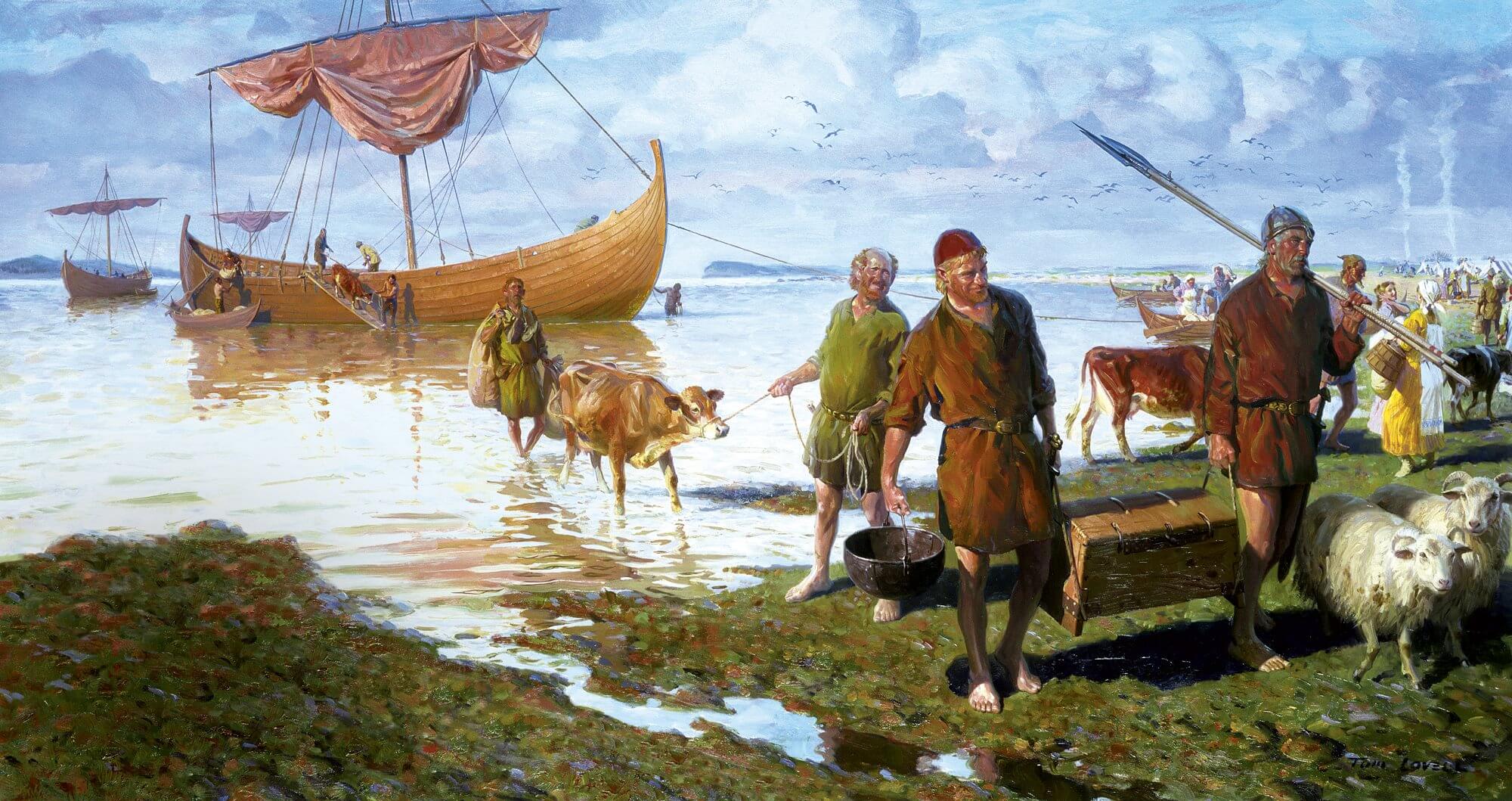
En este momento pueblos como los germánicos fusionaron las muestras representativas de su arte con otras culturas como la greco-romana, encontrando conciliación en el nacimiento de nuevas instituciones cristianas.
Conoce el arte prerrománico español
El arte prerrománico español pasó por diferentes etapas que le llevaron a desembocar en el arte románico del siglo XI, siendo a la vez influenciado por las siguientes herencias artísticas:
- Herencia de la cultura Greco- Romana: las columnas, capiteles, basílicas, arcos herraduras, cúpulas, mosaicos, pintura y bóvedas.
- Legado del Arte Paleocristiano: las celosías de origen Judaico, la Fe y su iconografía representativa.
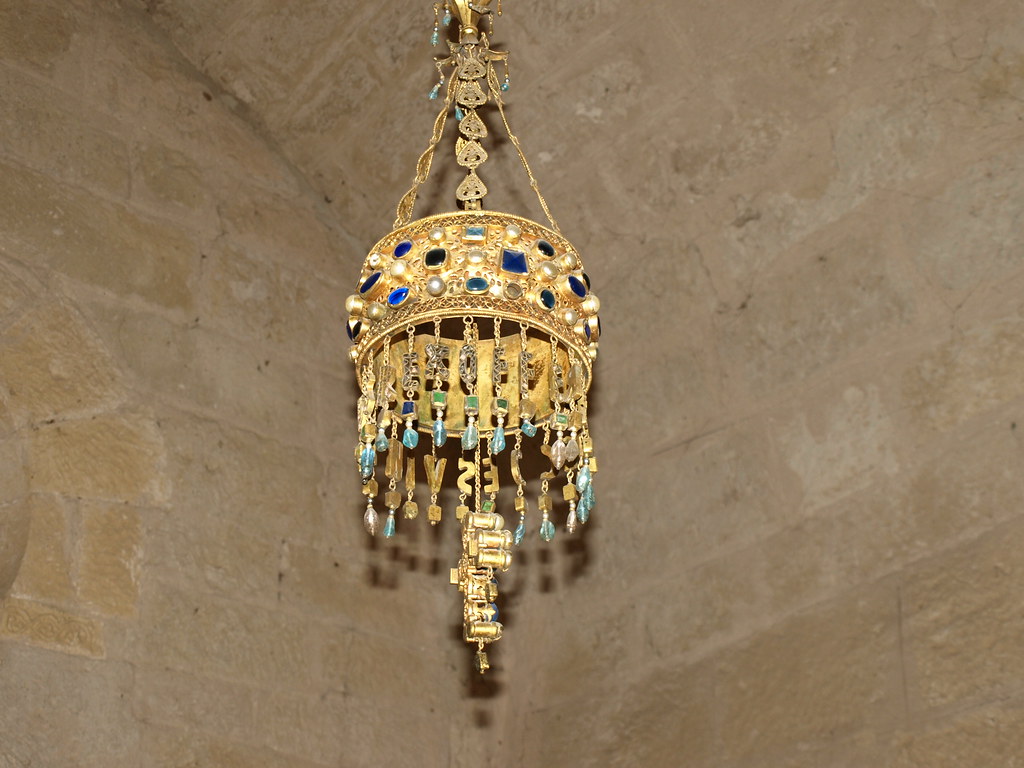
- De los Bárbaros: su maravillosa orfebrería, iconografía basada en animales, las armas de fuego y más. Entre otras cosas este arte prerrománico, fue base para el desarrollo de la Heráldica utilizada en la Edad Media.
- Los Bizantinos dejaron como legado: el cimacio y la planta en forma de Cruz Griega.

Etapas del arte prerrománico español
El arte prerrománico español se desarrolló a lo largo de diferentes etapas, tales como las que se especifican a continuación:
- Arte visigodo entre los siglos desde el V hasta VIII, con una arquitectura que se limitó a la creación de construcciones religiosas, transformándose templos paganos en iglesias cristianas, el cual a su vez pasó por otros dos períodos como son:
- Período Arriano del 414 al 586.
- Período Cristiano del 586 al 711.
- Arte Asturiano con inicio en el siglo VIII y finalización en el X; época en la que se construyeron numerosos monasterios, centros culturales y religiosos, durante este tiempo su esplendor se mantuvo a lo largo de tres períodos:
- Prerramirense desde finales del siglo VIII hasta el año 842, coincidiendo esta época con el descubrimiento de los restos del Apóstol Santiago en Galicia, lo que dio inicio a sus peregrinaciones.
- Ramirense durante los años entre el 842 y el 850, su nombre coincide con el reinado de Ramiro I.
- Postramirense desde el año 866 hasta el 910, período que coincidió con el reinado de Ramiro I
- Arte Mozárabe desde el siglo VIII hasta el XI, el cual se caracterizó por ser eminentemente religioso, se desarrolló especialmente en localidades como León donde aún se conservan muchos vestigios de este arte cortesano, también identificado como “Arte de Repoblación”.
Existen en la actualidad muestras representativas del arte prerrománico español, numerosas agencias de escorts bcn, una de ellas es El Torreón de Doña Urraca, además de otras arquitecturas en las cuales se hizo un uso exquisito del arco de herradura, las artes figurativas, ausencia de grandes planes de arquitectura y pocas escultura de tamaño elevado.
Se utilizó preferentemente la ilustración de manuscritos, la orfebrería, sistemas abovedados y columnas de acarreo, lo que llevó a la creación de edificios sustentados en elementos dispares y poco armoniosos.